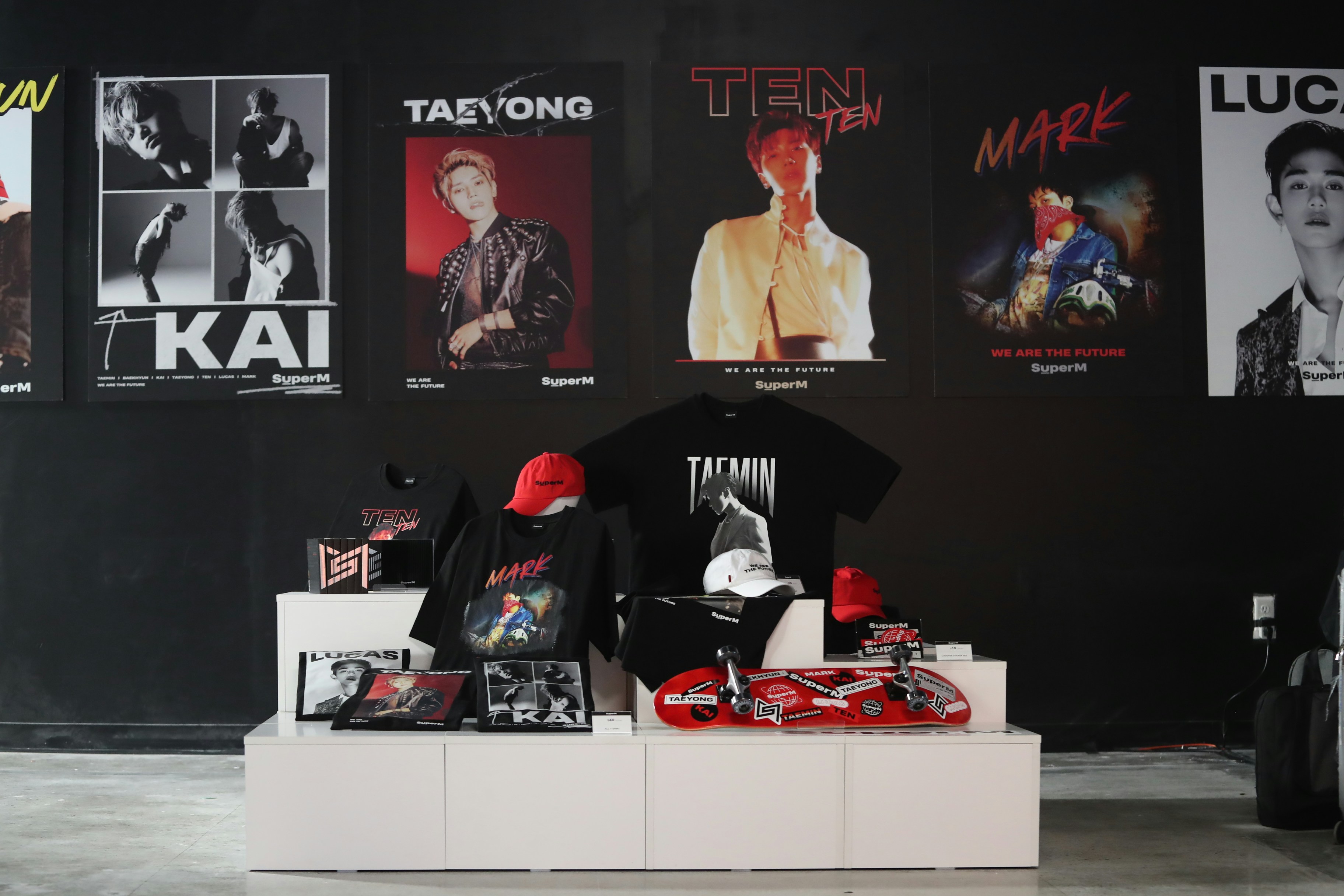
A Deep Dive into 3rd Generation K-Pop (2012-2018)
The 3rd Generation of K-Pop is often hailed as the "Golden Age," a period where the genre exploded into a global phenomenon. This era, roughly spanning from 2012 to 2018, was defined by the rise of social media, unprecedented international breakthroughs, and a diversification of musical concepts. Groups from this generation didn't just top charts; they built massive, dedicated global fandoms, changing the landscape of the music industry forever.
Overview of the 3rd Generation
The 3rd Generation capitalized on the foundations laid by their predecessors, but they were the first to truly harness the power of globalized digital platforms. YouTube, Twitter, and V LIVE became essential tools for connecting with fans worldwide. This direct line of communication fostered a sense of community and loyalty that was instrumental in their international success. Musically, the 3rd generation was marked by high-production-value music videos, intricate choreographies, and a willingness to experiment with complex storylines and concepts. Survival shows like "Produce 101" and "SIXTEEN" also became a popular method for forming new groups, creating massive pre-debut buzz for acts like I.O.I and TWICE.
- BTS (Bangtan Sonyeondan): Debuting in 2013, BTS's journey is a legendary underdog story. They gained traction with their deeply personal and socially conscious lyrics, addressing topics like mental health and societal pressures. Their main activities involved a relentless schedule of album releases, world tours that grew progressively larger, and consistent fan engagement through platforms like Twitter and their own variety show, "Run BTS!".
- EXO: Debuting in 2012 with a unique concept of having two sub-units (EXO-K for Korea and EXO-M for China), EXO quickly became a dominant force. Their main activities centered on powerful, synchronized performances and a series of blockbuster albums. They were known for their elaborate, lore-heavy concepts and massive physical album sales, earning them the title of "quadruple-million sellers."
- TWICE: Formed through the survival show "SIXTEEN" in 2015, TWICE burst onto the scene with their infectious "color pop" sound. Their string of hits, including "Cheer Up" and "TT," became national anthems in South Korea. Their main activities focused on frequent comebacks with catchy, easy-to-follow "point dances" that went viral, making them one of the most beloved girl groups of the generation.
- BLACKPINK: Debuting in 2016, BLACKPINK quickly established themselves as global fashion icons and music chart titans. With a "girl crush" concept, their music is characterized by confident lyrics and hard-hitting EDM-infused tracks. Their activities have been more sporadic than their peers, focusing on a "quality over quantity" approach with each comeback treated as a major global event, accompanied by high-fashion music videos and record-breaking YouTube views.
Achievements and Industry Impact
The achievements of 3rd generation groups were staggering and transformative:
- Global Chart Domination: BTS became the first K-Pop group to top the Billboard 200 chart and later the Hot 100. They broke numerous records, received multiple Grammy nominations, and solidified K-Pop's place in the mainstream Western music market. Further demonstrating this global impact, BTS member Jimin set a new record as the longest-charting K-pop solo artist on the Billboard Hot 100.
- Massive Fandom Mobilization: The power of 3rd generation fandoms (like BTS's ARMY and EXO's EXO-L) became a global force. They were capable of organizing on a massive scale to drive album sales, dominate social media trends, and even participate in social and political activism.
- Redefining Success: Groups like BLACKPINK proved that a group could achieve immense global success and influence without a constant stream of releases. Their Coachella performance in 2019 was a landmark moment for K-Pop girl groups. TWICE's dominance in both Korea and Japan showcased the power of a strong regional focus.
Current Status
As of the mid-2020s, the 3rd generation is in a transitional phase. Many groups have passed the infamous "7-year-curse" and are navigating contract renewals and mandatory military enlistment for male members. BTS members are currently completing their military service, with plans to reunite in 2025. EXO and TWICE continue to release music, though some members are focusing more on solo activities. BLACKPINK members have all signed individual contracts for their solo work outside of the group, but have promised to continue group activities. While the peak of their collective dominance may have passed, the legacy and influence of the 3rd generation are undeniable, and they continue to be a major force in the industry, both as groups and as individual artists.
The Ever-Evolving World of 4th Generation K-Pop (2018-Present)
The 4th Generation of K-Pop, kicking off around 2018, is the era of the digital native. These groups grew up with social media and are masters of leveraging it to build global fanbases from day one. This generation is characterized by its incredible diversity in sound, a strong emphasis on "self-production," and boundary-pushing concepts that often blur the lines between music, technology, and narrative storytelling.
Overview of the 4th Generation
If the 3rd Generation opened the doors to the West, the 4th Generation stormed right through them. Thanks to the groundwork laid by their seniors, these groups debuted with an inherent global focus. English lyrics are more common, international collaborations are frequent, and world tours are planned early in their careers. The COVID-19 pandemic also uniquely shaped this generation. With live performances halted, groups became experts at digital promotion, pioneering online concerts, virtual fan signs, and creating a wealth of reality-style content on YouTube to keep fans engaged. This has led to a K-Pop landscape that is more connected and interactive than ever before.
- Stray Kids: Formed by JYP Entertainment, Stray Kids are renowned for their "self-producing" capabilities. The sub-unit 3RACHA (composed of members Bang Chan, Changbin, and Han) is involved in writing and producing the vast majority of their discography. Their music is often described as "noise music," characterized by intense, experimental electronic sounds and powerful rap verses. Their main activities revolve around releasing gritty, high-energy title tracks and a prolific amount of content on YouTube, including their "SKZ-RECORD" and "SKZ-PLAYER" series.
- (G)I-DLE: This girl group, led by the talented Soyeon, is another prime example of the "self-produced" idol trend. Soyeon has written and composed many of their biggest hits, giving them a distinct and authentic musical identity. They are known for their bold and often unconventional concepts, tackling themes of empowerment and self-love. Their activities include charismatic stage performances and a willingness to experiment with their sound, from the fiery Latin-inspired "Senorita" to the empowering anthem "TOMBOY."
- aespa: SM Entertainment's latest girl group introduced a groundbreaking concept centered around a virtual world called "Kwangya," with each member having a virtual "æ" counterpart. Their music is a blend of hyper-pop, EDM, and hip-hop, creating a futuristic and often experimental sound. Their main activities involve integrating their complex lore into their music videos and performances, pushing the boundaries of what a K-Pop group can be.
- NewJeans: Debuting in 2022 with a surprise release, NewJeans took the industry by storm with their fresh, easy-listening pop sound and nostalgic '90s aesthetic. They eschewed the typical loud, high-concept debuts for a more natural and relaxed vibe, which has resonated massively with the public. Their main activities focus on releasing highly replayable music, minimalist and trendy music videos, and showcasing their natural chemistry and personalities.
- ATEEZ: Known for their incredibly powerful and theatrical performances, ATEEZ has built a fiercely dedicated international fanbase. Their complex lore, centered around a pirate-themed alternate universe, is a key part of their identity. Their main activities include high-octane world tours that sell out arenas globally and a discography filled with anthemic, performance-focused tracks.
Achievements and Industry Impact
Despite being a relatively young generation, their list of achievements is already impressive:
- Million-Seller Boom: The 4th Generation has seen an explosion in physical album sales. Groups like Stray Kids, ATEEZ, ENHYPEN, and aespa have all become "million-sellers," with Stray Kids even surpassing the 5 million mark for a single album, a feat once thought impossible.
- Global Chart Infiltration: These groups are consistently landing on international charts like the Billboard 200. The barrier to entry for Western charts seems lower than ever, showcasing the truly global nature of their appeal. NewJeans' 'Get Up' became their first entry and number-one on the Billboard 200, making them the second K-pop girl group to top the chart after Blackpink. Furthermore, aespa has achieved a historic five consecutive top 40 albums on the Billboard 200, and ITZY has tied TWICE's record for most Billboard 200 entries by a K-pop girl group.
- Digital Dominance: They are masters of the digital realm. TikTok challenges, YouTube streaming records, and Spotify milestones are all part of the standard playbook for 4th generation groups. NewJeans, for example, quickly became the fastest K-pop group to reach 1 billion streams on Spotify.
Current Status
The 4th generation is currently in its prime. New groups are debuting constantly, each bringing a new flavor to the industry. The established 4th-gen acts are continuing to grow their fanbases, embark on larger world tours, and experiment with their music. They are not just following trends; they are setting them. As they continue to mature, the 4th Generation is poised to lead K-Pop into a new era of even greater global recognition and artistic innovation.